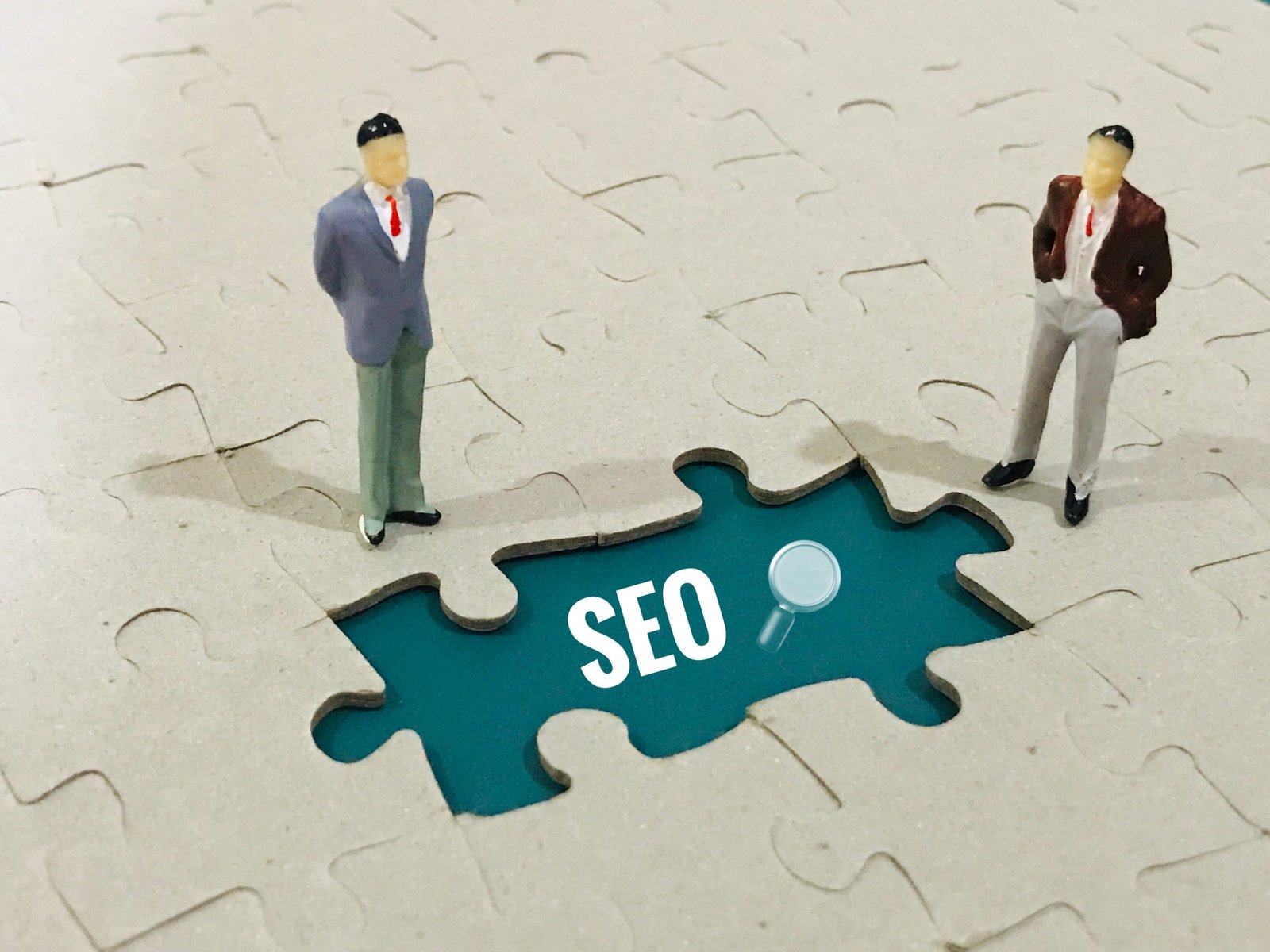

In 2025, web accessibility is vital. It is part of Google’s system, not an extra. A site without it drops in rank, loses traffic, and fades in trust. At Your IT Expert, we build sites with care and follow web content accessibility guidelines to drive growth. Strong website accessibility reaches more people, creates clear paths, and works on every device. Small steps, like alt text, bring results. Google rewards access. Brands that act early win loyalty, cut costs, and build fair futures.
The Growth of Web Accessibility
Website accessibility was once ignored. Now it is key. Google rewards it. Users expect it. Sites that meet website accessibility standards work better. They open fast. They fit all screens, and guide users with ease. WCAG compliance is good for all. It helps people with needs. It helps people with noise, and people on phones.
More sites now track their scores. They test for gaps. They fix code and update the design. Every fix builds a stronger rank. Every step shows users that they matter. Accessibility guidelines drive both trust and profit. Ignoring ADA web compliance is a risk. It can bring lawsuits. It can cost money, and can hurt the image. Following accessibility guidelines builds trust. It also drives sales.
Brands that act see more gains. They spend less on support, earn more from users, and gain from stronger SEO. They also protect from legal harm. This shows how value and duty work as one. Access is now part of brand identity. It is part of ethics. It is part of growth.
Web Accessibility Standards in 2025
Sites must follow website accessibility standards. They shape the design, and shape content. They shape code. Rules make sites simple to use. They stop errors. They guide updates, and help reach WCAG compliance. Standards are now built into site audits. They are also part of web laws.
Key Areas of Focus for WCAG Compliance
- Keyboard Access: Users can move without a mouse.
- Text Alternatives: Images and media need words.
- Color Contrast: Text must stand out from the back.
- Responsive Layouts: Pages must adjust to all screens.
- Media Controls: Video and sound must be easy to stop.
Each point is small but key. Missing one can block users. Strong sites meet all points. They repeat checks. They track growth. This makes sites strong for the long term.
Testing for these areas also builds skill. Teams learn best practices. They apply it to all projects. This creates lasting habits that improve all future work.
Basics of Web Content Accessibility Guidelines
The web content accessibility guidelines are built on four key rules. Sites must be clear to see, simple to use, easy to read, and strong enough to last. These rules are global and apply to every market. They guide design choices, coding, and future updates. They give brands a proven map to follow and remove confusion. By following them, website accessibility becomes easier to plan, track, and maintain.
Clear maps also save time and resources. They stop teams from guessing, reduce errors, and create a shared vision. They keep all projects in line, from small pages to large platforms. This ensures sites remain inclusive, reliable, and effective for all users.
ADA Web Compliance Around the World
ADA web compliance is the law in the United States, and other regions enforce similar rules under different names. Following accessibility guidelines is the best way to avoid legal trouble and costly disputes. It also opens the door to more users and helps brands build stronger reputations. A site that meets the law avoids risk, while a site that fails can face major loss. Fines, lawsuits, and legal fees rise fast when compliance is ignored.
Good design cuts that risk and protects the business. Access is both fair and wise. In markets with strong laws, trust grows quickly. Users feel safe when they browse. They know brands care about inclusivity, and this feeling leads to deeper loyalty over time.
Why Google Rewards Access
Google wants fair sites. Web accessibility helps structure. It helps speed. It helps clarity. That is why it boosts rank. Sites with website accessibility standards are easy to crawl. Bots read them well. Titles, headers, and tags guide indexing. Alt text boosts both WCAG compliance and SEO. More users also stay on these sites. Time on page rises. Bounce rates fall. These metrics help rank. Google now reads them as proof of value.
User Signals That Matter
People stay longer on sites that are clear and simple. Website accessibility makes menus easy to follow, buttons simple to press, and text sharp to read. These signals tell Google the site is useful, and the reward is a higher rank. Users also share sites that work well, and this natural sharing creates new links. Links are still one of the strongest factors for SEO, so accessible sites gain both rank and reach. Signals go beyond clicks alone.
They appear in scroll depth, repeat visits, and lower exit rates. Each small sign adds proof of value. Over time, these signals build a strong picture of trust and quality. A site with WCAG compliance sends the right signals to search engines and users alike.
Long-Term SEO Gain
Trends pass. WCAG compliance stays. A site that meets web accessibility standards is built to last. It stays safe from shifts. SEO built on tricks can fail. Access stays safe. Google will not drop it. This makes it the best long-term step.
Rank based on quality is hard to lose. Sites with access gain that base. They stay strong while others fade.
How to Reach WCAG Compliance
A site needs a clear plan. It also needs checks, reviews, and constant updates. The goal is to meet website accessibility standards at every stage. The process begins with audits. Automated tools scan pages for gaps, while real people test the flow and user journey. Both steps reveal issues that must be fixed. Teams then need proper training, as all future work must follow accessibility guidelines.
Fixes should be repeated often to keep progress on track. Training helps teams think about access from the start. Code is written with care. Images include alt text. Links are descriptive and clear. Forms are short and simple to use. These habits make website accessibility a natural part of each project, not an afterthought.
Testing Tools in 2025
Tools now scan full sites fast. They flag missing labels, weak colors, and poor paths. They help sites hit WCAG compliance. People still test. That shows real use. Reports from these tools show trends. They guide fixes. They give proof of growth. This helps brands track progress and show results.
New tools also run live. They track as users click. They show issues in real time, and gives faster fixes.
AI in Accessibility
AI makes web accessibility smooth. It changes text size, fixes colors, and guides users. It powers smart screen readers and adapts layouts, making website accessibility easier than before. AI also gives real data, learns from users, and adjusts to needs. This makes access faster and sites smarter while keeping them fair. As AI grows, checks take less time. Teams act quick, users enjoy smooth paths, and brands gain lasting trust through better, inclusive design.
Why Standards Pay Off
Web accessibility standards give real rewards. They bring more reach, trust, and bring more sales.
Benefits of Inclusive Design
- Wider Reach: Sites serve all people.
- SEO Gains: Google favors accessibility guidelines.
- Legal Safety: ADA web compliance cuts risk.
- Better Image: Brands earn trust.
- More Sales: Simple sites push action.
Each point builds value. Each step adds gain. Together, they create lasting growth.
Cost Wins
Fixing later is expensive. Building with website accessibility standards saves money. Clear paths lift sales. Bounce rates fall. Cost also drops in support. Clear sites need less help. Users solve issues on their own. This cuts service costs. Savings grow with time. Each fix adds value. Each update pays off.
Brand and Ethics
Web accessibility shows care. People like fair brands. That trust lasts. Brands that value people win. Reviews rise. Shares grow. Image improves. This adds both value and pride. This also links to ethics. Fair brands gain more staff pride. They gain social value. They gain respect from partners.
The Future Beyond 2025
Website accessibility will grow. New tech will bring new rules. Brands must adapt. Voice tools are rising. Augmented reality needs access. Machine learning adapts content. Translators now meet WCAG compliance.
Global Norm
Soon, web content accessibility guidelines will be law. All sites must comply. Early brands will lead. Rules will not stop at one market. They will be global. This means all brands must act. Delay brings risk. Global law will also bring unity. Sites can plan once. They can serve all. They can save costs.
Google’s Plan
Google ties web accessibility standards to rank. It treats them like speed. It treats them like safety. Sites that fail will fall. This trend will not stop. It will grow. Future updates will make it stronger. Google wants a fair web. That is clear. That will not change.
Conclusion
In 2025, web accessibility is a must. It shapes SEO, builds trust, and keeps sites safe. Brands that follow web content accessibility guidelines, reach WCAG compliance, and meet website accessibility standards succeed. Others lose rank. At Your IT Expert, we create sites for all. Access is not extra. It is the base of success. Sites that plan for access grow. They avoid risk, gain trust, and lead markets.
Accessibility guidelines are now rules, not advice. Access also builds pride. Staff feel valued. Users feel valued. Both sides win. A fair web gives an equal chance and secures the future.
FAQs
What is web accessibility?
Web accessibility means building sites that everyone can use, including people with disabilities.
Why is web accessibility important in 2025?
In 2025, web accessibility boosts SEO, builds trust, and helps sites rank better on Google.
What are web content accessibility guidelines?
Web content accessibility guidelines (WCAG) are global rules that make websites clear and easy.
How does WCAG compliance help SEO?
WCAG compliance improves site structure, lowers bounce rates, and helps with higher rankings.
What are website accessibility standards?
Website accessibility standards are rules that make websites fair, safe, and simple for all.
What is ADA web compliance?
ADA web compliance means following U.S. laws on access to avoid lawsuits and build trust.
How can businesses achieve accessibility?
Firms achieve website accessibility with audits, training, and updates in design and content.
What are the benefits of web accessibility?
Web accessibility grows reach, improves SEO, reduces risks, builds brands, and increases sales.
How do accessibility guidelines affect users?
Accessibility guidelines make sites easy to read, simple to use, and smooth to navigate.
What is the future of web accessibility?
The future of web accessibility includes AI, voice tech, AR, and stronger global laws.